
Do you suffer from heel pain when you get up in the morning? If so, you should seek professional help and have a proper diagnosis performed. Heel pain can be caused by several different foot-related conditions.
Do you suffer from heel pain when you get up in the morning? If so, you should seek professional help and have a proper diagnosis performed. Heel pain can be caused by several different foot-related conditions.

Swollen feet and ankles are a common issue that can result from a variety of causes. Among them are standing or sitting for long periods, injury, poor circulation, heart or kidney conditions, or certain medications. Pregnancy and excess weight can also contribute to swelling. Swelling, or edema, may cause your feet and ankles to look puffy or stretched and feel tight or heavy. You might notice your shoes fitting tighter or experience discomfort and reduced range of motion. A podiatrist can evaluate the cause of the swelling through a physical exam, medical history, and possibly imaging or blood tests. Treatment depends on the underlying issue and may include compression therapy, elevation, lifestyle changes, exercise, or referrals to other specialists. Early intervention can help reduce discomfort and prevent more serious complications. If you are dealing with swollen feet and ankles, it is suggested that you make an appointment with a podiatrist.
Swollen feet can be a sign of an underlying condition. If you have any concerns, contact Yvonne Umezurike, DPM of Umez Podiatry. Our doctor can provide the care you need to keep you pain-free and on your feet.
Swollen feet are a common ailment among pregnant women and people who stand or sit for extended periods. Aging may increase the possibility of swollen feet and patients who are obese often notice when their feet are swelling too. There may be medical reasons why swollen feet occur:
Swollen feet can also be caused by bone and tendon conditions, including fractures, arthritis, and tendinitis. Additionally, there may be skin and toenail conditions and an infection may cause the feet to swell. Patients who take medicine to treat high blood pressure may be prone to getting swollen feet.
Many patients elevate their feet to help relieve the swelling and this is generally a temporary remedy. When a podiatrist is consulted the reason behind the swelling can be uncovered and subsequently treated.
If you have any questions please contact our offices located in Baltimore, MD and Washington DC . We offer the newest diagnostic and treatment technologies for all your foot and ankle needs.
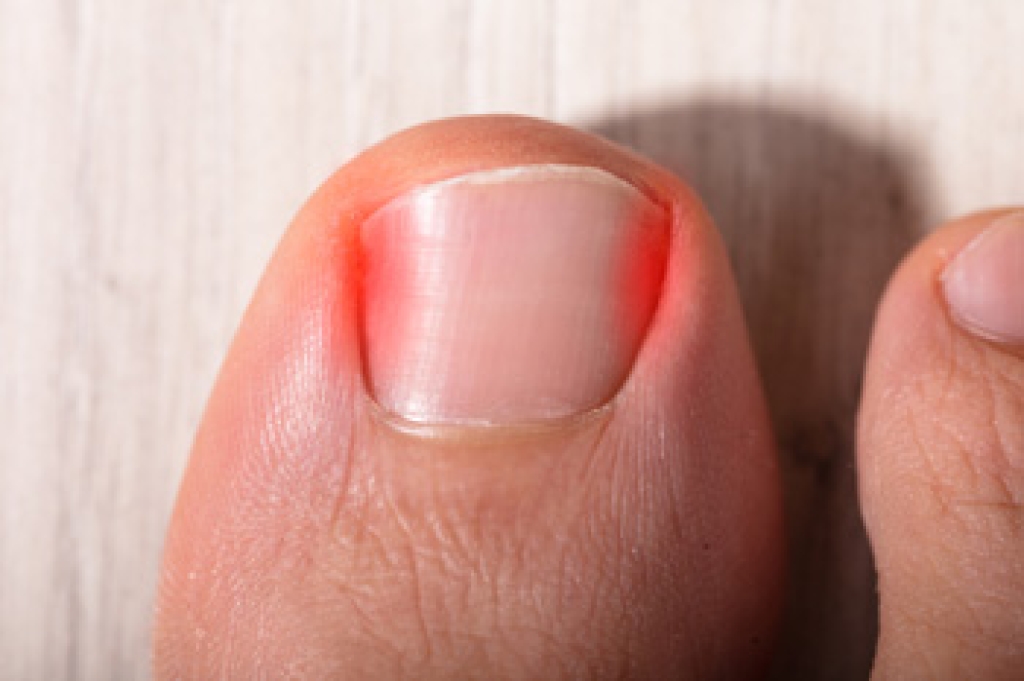
An ingrown toenail occurs when the edge of the nail grows into the nearby skin, often causing pain, redness, and sometimes drainage. It can be triggered by trimming nails too short, wearing tight shoes, or stubbing the toe. While anyone can develop this issue, it is more frequent in teens, athletes, and those with curved nails. Mild cases may respond well to warm saltwater soaks, clean bandaging, and changes in footwear. When symptoms worsen or infection sets in, a podiatrist might trim or remove the affected part of the nail. For ongoing problems, a simple in-office procedure can stop the edge of the nail from growing back. With proper care, recovery is quick and most patients return to regular activities without lasting effects. If you notice persistent toe pain, swelling, or visible changes in the nail, it is suggested that you visit a podiatrist for appropriate treatment.
Ingrown toenails can become painful if they are not treated properly. For more information about ingrown toenails, contact Yvonne Umezurike, DPM of Umez Podiatry. Our doctor can provide the care you need to keep you pain-free and on your feet.
Ingrown Toenails
Ingrown toenails occur when a toenail grows sideways into the bed of the nail, causing pain, swelling, and possibly infection.
Causes
Prevention
Wearing proper fitting shoes and using proper cutting techniques will also help decrease your risk of developing ingrown toenails.
Treatment
Ingrown toenails are a very treatable foot condition. In minor cases, soaking the affected area in salt or antibacterial soaps will not only help with the ingrown nail itself, but also help prevent any infections from occurring. In more severe cases, surgery is an option. In either case, speaking to your podiatrist about this condition will help you get a better understanding of specific treatment options that are right for you.
If you have any questions, please feel free to contact our offices located in Baltimore, MD and Washington DC . We offer the newest diagnostic and treatment technologies for all your foot care needs.

Running can lead to several common foot injuries, such as plantar fasciitis, stress fractures, Achilles tendinopathy, and shin splints. These conditions often result from overuse, poor running form, wearing shoes that lack adequate support, or a sudden increase in training intensity. Risk factors include flat feet, high arches, tight muscles, and inadequate warm-up routines. Prevention involves wearing proper footwear, stretching regularly, and gradually increasing activity levels. A podiatrist can assess foot structure, diagnose injuries, and provide custom orthotics, and guidance on safe training habits. If you are experiencing foot pain related to running, it is suggested that you visit a podiatrist who can treat various foot and ankle injuries, and guide you on effective running injury prevention tips.
Exercising your feet regularly with the proper foot wear is a great way to prevent injuries. If you have any concerns about your feet, contact Yvonne Umezurike, DPM of Umez Podiatry. Our doctor will treat your foot and ankle needs.
How to Prevent Running Injuries
Many common running injuries are caused by overuse and overtraining. When the back of the kneecap starts wearing out and starts causing pain in your knee, this is commonly referred to as runner’s knee. Runner’s knee is a decrease in strength in your quadriceps and can occur if you’re not wearing properly fitted or supporting shoes. To prevent runner’s knee, focusing on hip strengthening is a good idea, as well as strengthening your quads to keep the kneecaps aligned.
What Are Some Causes of Running Injuries?
- One cause of a common running injury is called iliotibial band syndrome.
- Plantar fasciitis is also another common injury.
- Stress fractures can occur from overtraining, lack of calcium, or even your running style.
Best Ways to Prevent Running Injuries
- Wear footwear that fits properly and suits your running needs.
- Running shoes are the only protective gear that runners have to safeguard them from injury.
- Make a training schedule. Adding strengthening exercises as well as regular stretching can help keep you strong and limber and can lessen the possibility of injuries.
- Stretching keeps muscles limber; this will help you gain better flexibility.
If you have any questions, please feel free to contact our offices located in Baltimore, MD and Washington DC . We offer the newest diagnostic and treatment technologies for all your foot care needs.

Morton's neuroma is a nerve condition that occurs when tissue thickens around a nerve, usually between the third and fourth toes. This can cause pain, tingling, burning, or the sensation of something being stuck underfoot. It is often linked to wearing narrow shoes, repetitive stress, or abnormal foot mechanics. When noninvasive treatments do not relieve symptoms, surgery may be considered to remove the affected nerve or release surrounding structures. Surgical treatment can provide lasting relief and restore comfort while walking. A podiatrist can evaluate your symptoms and provide information about this type of surgery. If you have pain in this part of your foot, it is suggested you schedule an appointment with a podiatrist for expert care and relief.
Morton’s neuroma is a very uncomfortable condition to live with. If you think you have Morton’s neuroma, contact Yvonne Umezurike, DPM of Umez Podiatry. Our doctor will attend to all of your foot care needs and answer any of your related questions.
Morton’s Neuroma
Morton's neuroma is a painful foot condition that commonly affects the areas between the second and third or third and fourth toe, although other areas of the foot are also susceptible. Morton’s neuroma is caused by an inflamed nerve in the foot that is being squeezed and aggravated by surrounding bones.
What Increases the Chances of Having Morton’s Neuroma?
Morton’s neuroma is a very treatable condition. Orthotics and shoe inserts can often be used to alleviate the pain on the forefront of the feet. In more severe cases, corticosteroids can also be prescribed. In order to figure out the best treatment for your neuroma, it’s recommended to seek the care of a podiatrist who can diagnose your condition and provide different treatment options.
If you have any questions, please feel free to contact our offices located in Baltimore, MD and Washington DC . We offer the newest diagnostic and treatment technologies for all your foot care needs.
Connect With Us


