
Do you work on your feet all day and find your feet in pain? Don't go to work in pain each day. Your foot pain can be treated, and we can help.
Do you work on your feet all day and find your feet in pain? Don't go to work in pain each day. Your foot pain can be treated, and we can help.

Numbness and tingling in the toes can result from various causes, often indicating nerve or circulation issues. One common cause is peripheral neuropathy, where nerves are damaged due to conditions like diabetes, leading to loss of sensation. Poor circulation, such as from peripheral artery disease, or PAD, can also reduce blood flow to the toes, causing tingling or numbness. Tarsal tunnel syndrome occurs when the tibial nerve, located near the ankle, becomes compressed, leading to numbness, tingling, or pain in the toes. Morton’s neuroma is another condition where a thickening of the tissue surrounding a nerve between the toes causes similar symptoms, often triggered by wearing tight shoes or high heels. If numbness and tingling are persistent or worsen, it is suggested that you consult a podiatrist, especially if the symptoms include pain or difficulty walking, as they could signal a more serious underlying condition requiring prompt attention.
Toe pain can disrupt your daily activities. If you have any concerns, contact Yvonne Umezurike, DPM of Umez Podiatry. Our doctor can provide the care you need to keep you pain-free and on your feet.
What Causes Toe Pain?
Most severe toe pain is caused due to a sports injury, trauma from dropping something heavy on the toe, or bumping into something rigid. Other problems can develop over time for various reasons.
Toe pain can be caused by one or more ailments. The most common include:
When to See a Podiatrist
Diagnosis
In many cases the cause of toe pain is obvious, but in others, a podiatrist may want to use more advanced methods to determine the problem. These can range from simple visual inspections and sensation tests to X-rays and MRI scans. Prior medical history, family medical history, and any recent physical traumatic events will all be taken into consideration for a proper diagnosis.
Treatment
Treatments for toe pain and injuries vary and may include shoe inserts, padding, taping, medicines, injections, and in some cases, surgery. If you believe that you have broken a toe, please see a podiatrist as soon as possible.
If you have any questions please contact our offices located in Baltimore, MD and Washington DC . We offer the newest diagnostic and treatment technologies for all your foot and ankle needs.
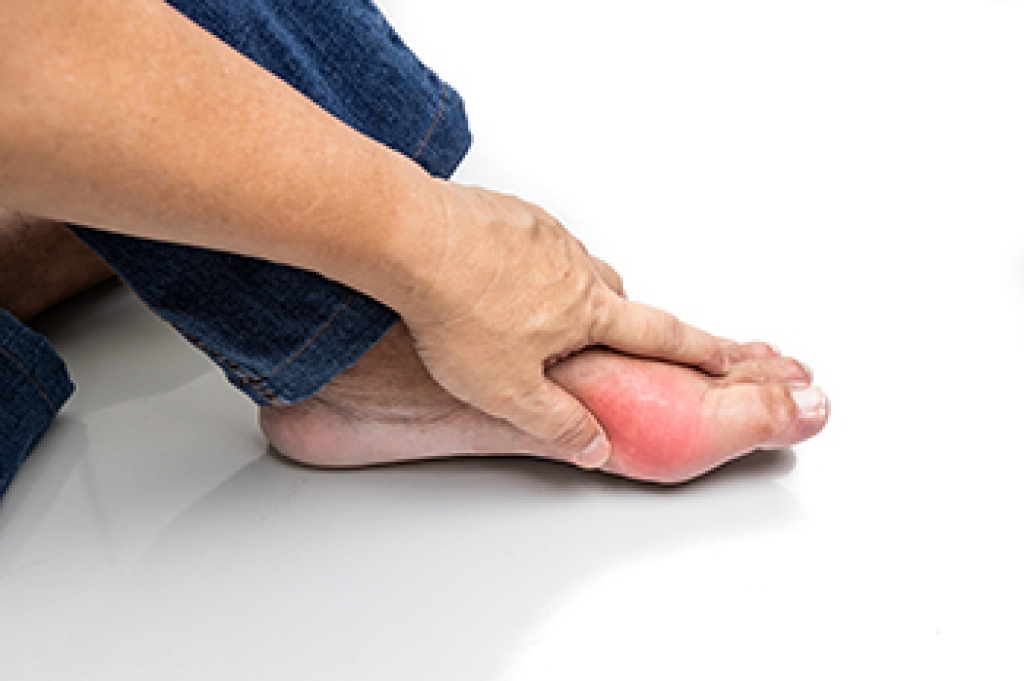
Gout is a type of arthritis that results in sudden and intense pain in the joints, most commonly affecting the big toe. It is caused by the accumulation of uric acid crystals in the joints, due to high levels of uric acid in the blood. The primary sign of gout is sudden, severe pain in a specific joint, often accompanied by swelling, redness, and warmth. The affected area may feel tender and extremely sensitive to touch. Attacks can occur abruptly, often at night, and can last for several days. Other signs include difficulty moving the joint and lingering discomfort after the initial pain subsides. If you have had one or more gout attacks, it is suggested that you are under the care of a podiatrist who can help you manage this condition and regularly monitor your foot health.
Gout is a foot condition that requires certain treatment and care. If you are seeking treatment, contact Yvonne Umezurike, DPM from Umez Podiatry. Our doctor will treat your foot and ankle needs.
What Is Gout?
Gout is a type of arthritis caused by a buildup of uric acid in the bloodstream. It often develops in the foot, especially the big toe area, although it can manifest in other parts of the body as well. Gout can make walking and standing very painful and is especially common in diabetics and the obese.
People typically get gout because of a poor diet. Genetic predisposition is also a factor. The children of parents who have had gout frequently have a chance of developing it themselves.
Gout can easily be identified by redness and inflammation of the big toe and the surrounding areas of the foot. Other symptoms include extreme fatigue, joint pain, and running high fevers. Sometimes corticosteroid drugs can be prescribed to treat gout, but the best way to combat this disease is to get more exercise and eat a better diet.
If you have any questions, please feel free to contact our offices located in Baltimore, MD and Washington DC . We offer the newest diagnostic and treatment technologies for all your foot care needs.
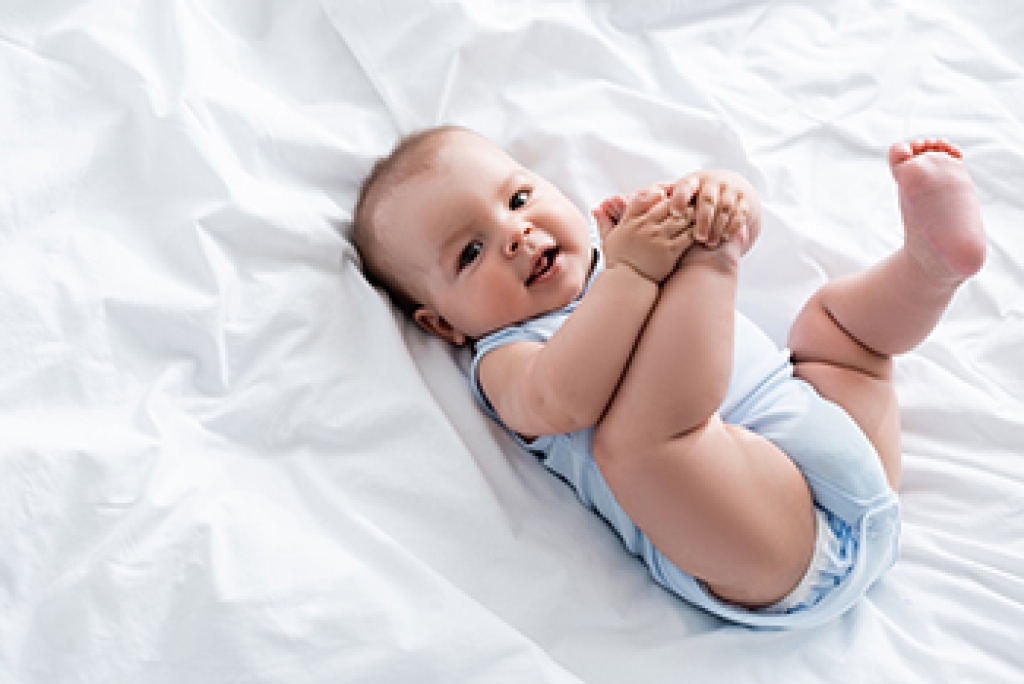
Allowing babies to walk or crawl barefoot offers numerous benefits for their overall development. Barefoot play optimizes sensory motor development by letting babies experience various textures and surfaces, enhancing their sensory awareness and coordination. When infants walk without shoes, they develop a better sense of their body in space, promoting awareness and balance. This natural movement improves agility and strengthens the muscles in their feet and legs. Additionally, being barefoot allows for the proper development of the foot’s arch and alignment, as it encourages natural foot mechanics. By allowing their feet to move freely and interact directly with their environment, babies gain essential motor skills and support their physical growth effectively. If you notice unusual foot or walking symptoms in your child and are interested in learning about foot development, it is suggested that you consult a podiatrist who can evaluate foot health, and provide you with the information you are seeking.
Making sure that your children maintain good foot health is very important as they grow. If you have any questions, contact Yvonne Umezurike, DPM of Umez Podiatry. Our doctor can provide the care you need to keep you pain-free and on your feet.
Keeping Children's Feet Healthy
Having healthy feet during childhood can help prevent medical problems later in life, namely in the back and legs. As children grow, their feet require different types of care. Here are some things to consider...
Although babies do not walk yet, it is still very important to take care of their feet.
Avoid putting tight shoes or socks on his or her feet.
Allow the baby to stretch and kick his or her feet to feel comfortable.
As a toddler, kids are now on the move and begin to develop differently. At this age, toddlers are getting a feel for walking, so don’t be alarmed if your toddler is unsteady or ‘walks funny’.
As your child gets older, it is important to teach them how to take care of their feet.
Show them proper hygiene to prevent infections such as fungus.
Be watchful for any pain or injury.
Have all injuries checked by a doctor as soon as possible.
Comfortable, protective shoes should always be worn, especially at play.
If you have any questions, please feel free to contact our offices located in Baltimore, MD and Washington DC . We offer the newest diagnostic and treatment technologies for all your foot care needs.
Connect With Us


